What Does a Home Energy Audit Check for in Seattle, Washington?
Key Takeaways
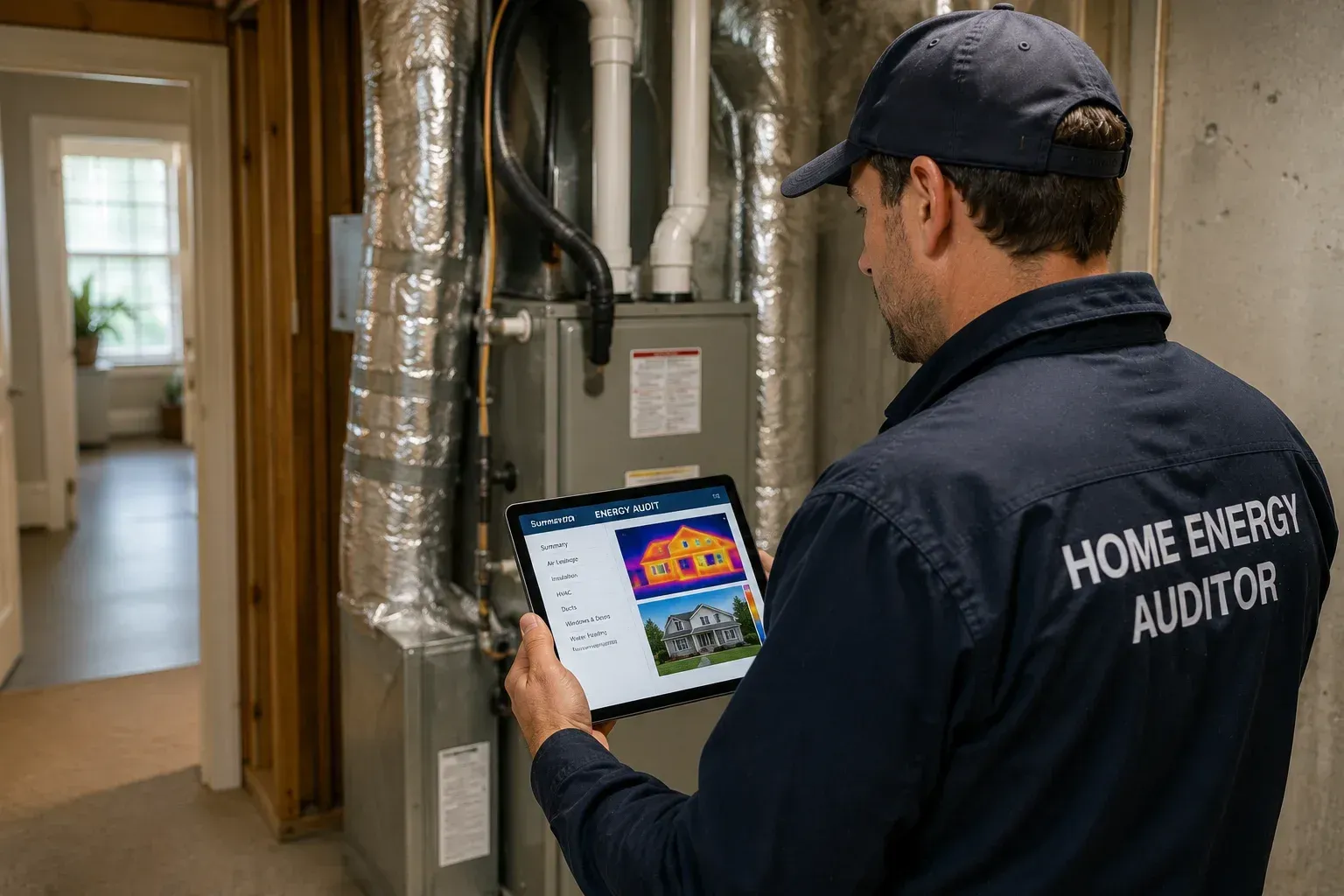
- A home energy audit checks insulation levels, air leakage, HVAC performance, windows, doors, ductwork, and water heating to find where a home loses energy.
- Auditors use diagnostic tools like blower door tests and thermal imaging cameras to measure problems that are invisible during a normal walkthrough.
- Seattle's older housing stock and long heating season make air sealing and insulation the most common findings in local audits.
- The audit produces a report that ranks improvements, so homeowners can decide which upgrades make sense for their budget and their house.
- An energy audit identifies opportunities; actual savings depend on the home, the upgrades chosen, and how the household uses energy.
Table of Contents
- What a Home Energy Audit Checks
- The Home Energy Audit Checklist, Area by Area
- The Diagnostic Tools Auditors Use
- Why Energy Audits Matter in Seattle Homes
- What the Audit Report Tells You
- What an Energy Audit Does Not Do
- Conclusion
- Curious Where Your Home Is Losing Energy?
- Frequently Asked Questions
Introduction
A home energy audit checks how your house gains, holds, and loses energy. In practical terms, that means evaluating insulation, air leaks, heating and cooling equipment, ductwork, windows, doors, and water heating, then measuring how they perform as a system rather than as separate parts. If you want a deeper look at the process itself, this overview of energy auditing explains how an assessment works from start to finish.
For Seattle homeowners, the topic is more relevant than the mild climate might suggest. Much of the city's housing was built before modern insulation standards, and heating runs for most of the year. Knowing where the energy actually goes is the first step toward spending less to stay comfortable.
What a Home Energy Audit Checks
An energy audit, sometimes called a home energy efficiency inspection, treats the house as one connected system. Heat moves from warm spaces to cold ones, air moves through every gap it can find, and equipment works harder when the envelope leaks.
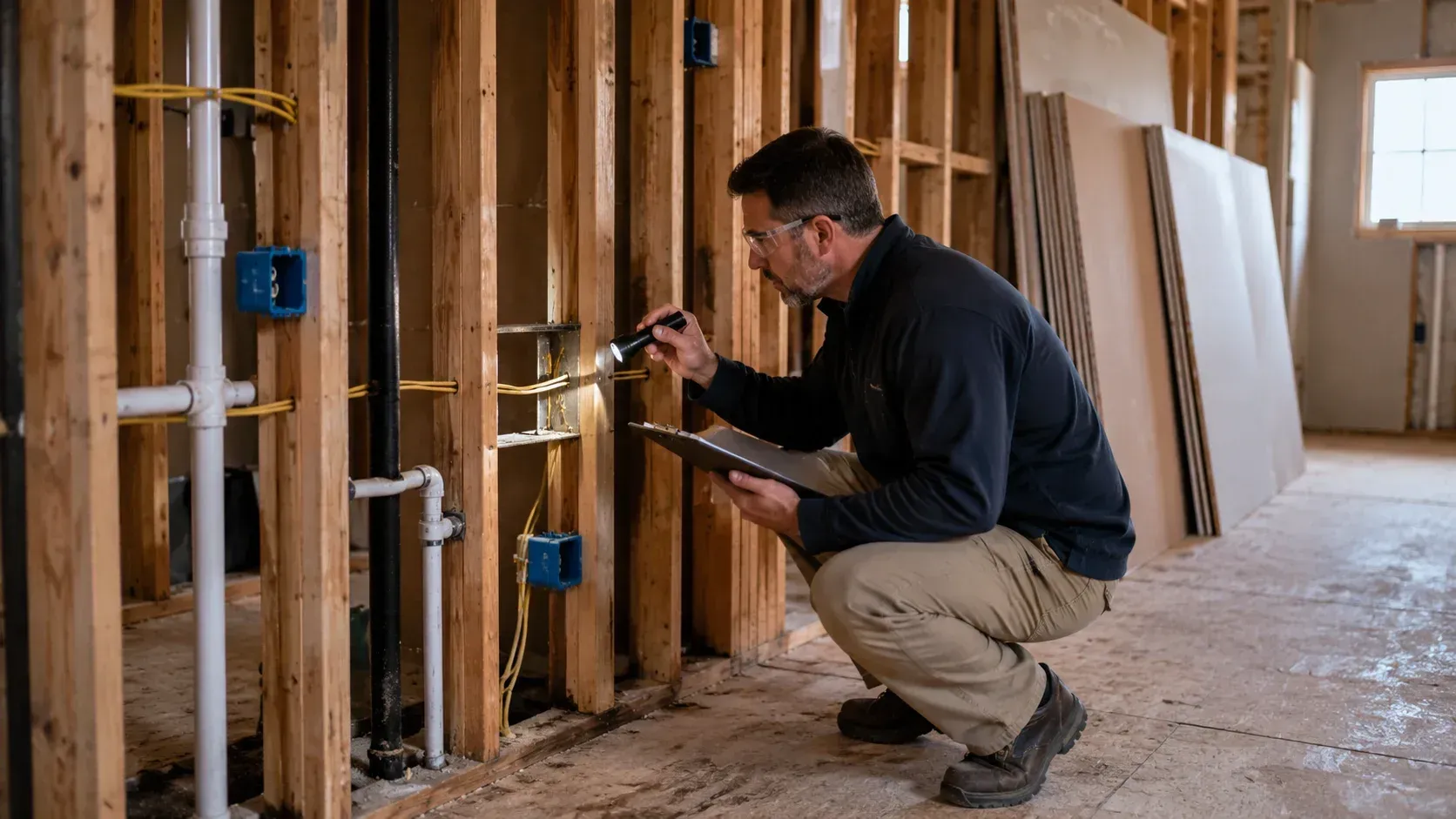
The auditor's job is to trace those paths. A typical audit examines the building envelope (walls, attic, floors, windows, and doors), the mechanical systems (heating, cooling, ventilation, and water heating), and the air pathways that connect them. Each area gets checked individually, then the results are read together.
The Home Energy Audit Checklist, Area by Area
Insulation Levels
The auditor inspects the attic, wall cavities where accessible, and the floor above the crawl space or basement. Insulation is measured against current recommendations for the Pacific Northwest climate zone. Many Seattle homes built before 1980 have little or no wall insulation, and attic insulation that has compressed or shifted over the decades.
Air Leakage
Air sealing is often the largest finding in an audit. Common leak points include recessed lights, attic hatches, plumbing and wiring penetrations, rim joists, fireplace dampers, and the gaps around windows and doors. Individually these leaks look small. Added together, they can equal leaving a window open all winter.
Heating and Cooling Equipment
The auditor evaluates the age, condition, and efficiency of the furnace, heat pump, or other heating equipment, along with any cooling system. Filters, combustion safety, and thermostat settings are part of the check. In Seattle, where heating dominates energy use, this is a major piece of the picture.
Ductwork
If the home has forced-air heat, the ducts get their own inspection. Leaky or uninsulated ducts running through a crawl space can lose a meaningful share of heated air before it ever reaches a room. Disconnected ducts are found more often than most homeowners expect.
Windows and Doors
The audit notes whether windows are single or double pane, checks weatherstripping, and looks for failed seals or drafts. Windows rarely top the priority list on cost grounds, but they affect comfort, and the audit documents their condition honestly rather than assuming replacement is the answer.
Water Heating
Water heaters are checked for age, efficiency, tank insulation, and temperature setting. Hot water is usually the second largest energy use in a home after space heating, so small issues here add up over a year.
Ventilation and Moisture
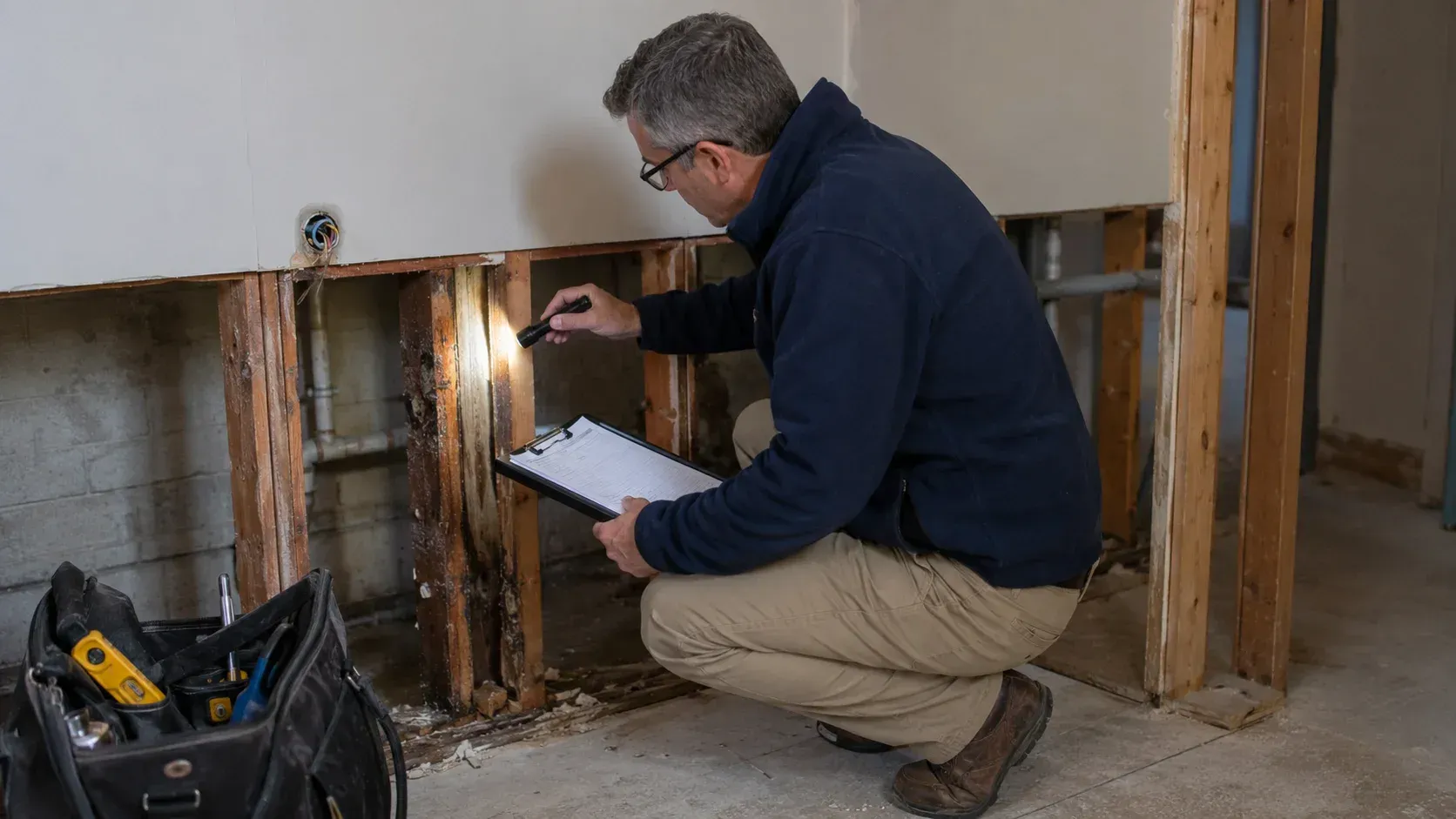
In a damp climate, tightening a house without managing moisture creates new problems. The auditor checks bath and kitchen fans, crawl space conditions, and signs of condensation or mold. Good audits balance efficiency with healthy indoor air, not one at the expense of the other.
The Diagnostic Tools Auditors Use
Two tools separate a professional audit from an eyeball assessment.
A blower door test uses a calibrated fan mounted in an exterior door to depressurize the house. The gauge measures exactly how leaky the home is, and while the fan runs, the auditor can walk the house and feel where outside air is pulling in.
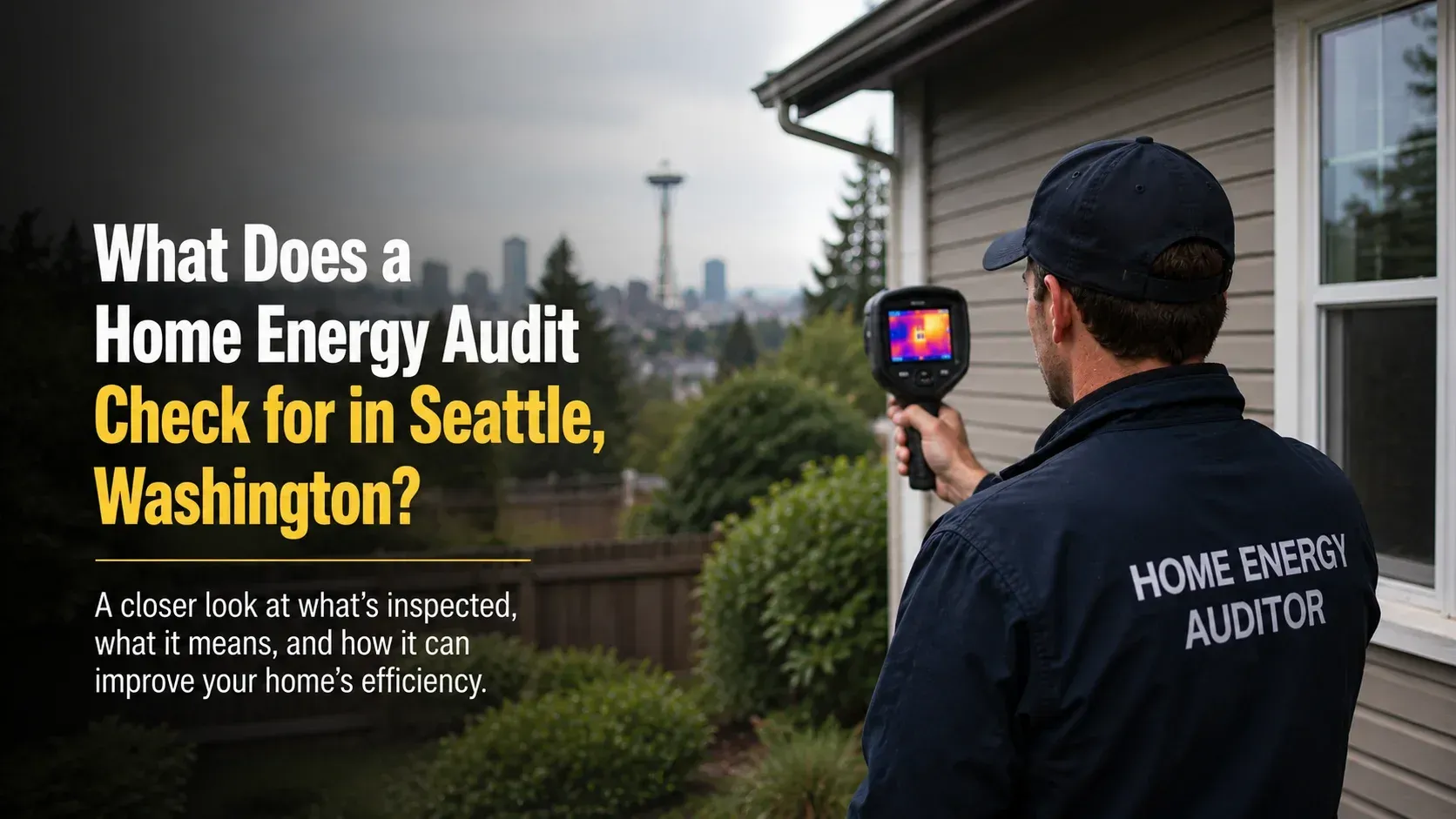
Thermal imaging uses an infrared camera to show temperature differences on walls and ceilings. Missing insulation, hidden air leaks, and damp spots show up as color patterns that the naked eye cannot see. Certified thermographers are trained to read these images correctly, since a cold spot can have more than one cause.
Some audits also include combustion safety testing on gas appliances and duct leakage testing. Auditors certified by the Building Performance Institute (BPI) follow standardized procedures for these diagnostics.
Why Energy Audits Matter in Seattle Homes
Seattle's housing stock skews old. Craftsman bungalows, wartime cottages, and mid-century ramblers were built when energy was cheap and codes said little about insulation. Balloon framing and uninsulated walls are still common in pre-war neighborhoods.
The climate matters too. Seattle rarely gets extreme cold, but the heating season stretches roughly from October through May. A modest hourly heat loss, multiplied over eight months, becomes a large annual number.
Moisture is the third local factor. Crawl spaces stay damp much of the year, and audits in this region regularly find ventilation and moisture issues alongside the energy ones. An audit is also a natural companion to a general home inspection for buyers who want the full picture of a property before or shortly after purchase.
What the Audit Report Tells You
The audit ends with a written report. A useful report does three things: it documents current conditions with photos and test results, it explains each finding in plain language, and it ranks recommended improvements.
Ranking matters because upgrades vary widely in cost and payoff. Air sealing and attic insulation are usually inexpensive relative to their effect. Equipment replacement and window upgrades cost more and are typically recommended only when the existing components are near the end of their life.
The report also gives you a baseline. If you make improvements, a follow-up test can show what changed. And if you are budgeting over several years, the priority list becomes a roadmap instead of a guess. Professional energy audit services in the Seattle area generally follow this assess-report-prioritize format.
What an Energy Audit Does Not Do
An audit is a diagnostic, not a repair. The auditor identifies problems and recommends fixes, but the work itself is done separately, often by insulation or HVAC contractors.
It is also not a promise of specific savings. How much a household actually saves depends on the upgrades it chooses, how the home is used, energy prices, and the weather in a given year. A trustworthy audit frames its numbers as estimates.
Finally, an energy audit is not a substitute for a full home inspection. It focuses on energy performance, comfort, and related moisture and safety items, not on the roof covering, structure, or plumbing as a whole. The two services answer different questions and work well together.
Conclusion
A home energy audit in Seattle checks the parts of a house that control how energy is used and lost: insulation, air leakage, heating and cooling equipment, ducts, windows, doors, water heating, and ventilation. Diagnostic tools like blower door testing and thermal imaging turn hunches into measurements, and the final report ranks improvements so homeowners can act on facts rather than assumptions.
Given Seattle's older homes, long heating season, and damp crawl spaces, the findings are often significant and often fixable at reasonable cost. Whether you follow through on every recommendation or just the top two or three, the value of the audit is the same: you know what your house is actually doing, and you can make decisions accordingly.
Curious Where Your Home Is Losing Energy?
If you have questions about what an energy audit involves or whether one makes sense for your house, feel free to
contact us or call (253) 377-7400. No pressure and no obligation, just clear answers so you can decide what fits your home and your budget.
Frequently Asked Questions
What does a home energy audit check for?
It checks insulation levels, air leakage, heating and cooling equipment, ductwork, windows, doors, water heating, and ventilation to identify where a home loses energy and how its systems perform.
How long does a home energy audit take?
Most residential audits take two to four hours depending on the size of the home and the tests performed. Larger homes and full diagnostic testing take longer.
What is a blower door test?
A blower door is a calibrated fan installed in an exterior doorway that depressurizes the house. It measures total air leakage and helps the auditor locate the specific gaps where air enters.
Do I need an energy audit before buying insulation or a new furnace?
It is not required, but an audit helps you spend in the right order. Sealing air leaks before adding insulation, or right-sizing equipment to a tightened house, usually produces better results than upgrading blindly.
How much does a home energy audit cost in the Seattle area?
Professional audits with diagnostic testing commonly range from about $300 to $700 depending on home size and the tests included. Pricing varies by provider, so confirm what the fee covers.
Will an energy audit lower my utility bills?
The audit itself does not lower bills; it identifies the improvements that can. Actual savings depend on which upgrades you complete, your home's condition, and how your household uses energy.
Is an energy audit the same as a home inspection?
No. A home inspection evaluates the overall condition of a property, including the roof, structure, and major systems. An energy audit focuses specifically on efficiency, comfort, and energy-related performance.