What Happens If You List Your Home For Sale in Seattle Without a Pre-Listing Inspection?

Key Takeaways
- Listing a home in Seattle without a pre-listing inspection is legal and common, but it means the first detailed look at the property's condition usually happens after you are already under contract with a buyer.
- Without a pre-listing inspection, defects are typically found by the buyer's own inspector, at a point in the transaction where negotiation leverage has already shifted.
- Selling a house without inspection ahead of time does not remove Washington's seller disclosure obligations. Sellers still have to disclose defects they actually know about.
- Skipping the inspection can lead to repair negotiations, price reductions, or delays discovered late, rather than issues addressed calmly before the home goes on the market.
- A pre-listing inspection is optional, and whether it makes sense depends on the home's age, condition, and the pace of the local market, not a one-size-fits-all rule.
Table of Contents
- The Short Answer
- What Actually Happens Without a Pre-Listing Inspection
- Why the Timing of Discovery Matters
- Disclosure Still Applies Either Way
- A Realistic Scenario
- Deciding Whether to Get a Pre-Listing Inspection
- Common Misconceptions About Skipping the Inspection
- What Typical Online Advice Overlooks
- How a Pre-Listing Inspection Changes the Process
- Risks, Limits, and Context
- Conclusion
- Considering a Pre-Listing Inspection in Seattle?
- Frequently Asked Questions
Introduction
If you list your home for sale in Seattle without a pre-listing inspection, nothing prevents the sale from moving forward, but it usually means the first detailed look at the property's condition happens after a buyer is already under contract, rather than before the home goes on the market. That timing shift is the main practical difference, and it affects negotiation, disclosure, and how smoothly the transaction tends to go.
Many Seattle sellers skip this step simply because it is optional and adds a step before listing. Understanding what actually changes when you skip it, separate from vague warnings about risk, helps you weigh the decision with real information instead of pressure.
What Changes Immediately After Listing
Nothing about the condition of the home changes by skipping an inspection. What changes is who finds problems first and when, which affects how issues get handled during the sale.
The Short Answer
Direct answer: Selling a house without an inspection beforehand does not stop the sale, but it means that issues with the home are typically discovered by the buyer's inspector during the transaction instead of by the seller ahead of time. That shift in timing can lead to repair negotiations, price adjustments, or delays at a later and less flexible point in the process.
Seattle's real estate market moves quickly in many neighborhoods, and sellers sometimes assume a fast sale means condition issues will not surface. They usually still do, just later. A buyer's purchase agreement commonly includes an inspection contingency, so a buyer's inspector almost always examines the home before closing, inspection or no inspection from the seller.
The difference a pre-listing inspection makes is not whether problems get found. It is whether the seller or the buyer finds them first.
What Actually Happens Without a Pre-Listing Inspection
Skipping the pre-listing inspection changes the sequence of a sale rather than its legality.
The Buyer's Inspector Becomes the First Detailed Review
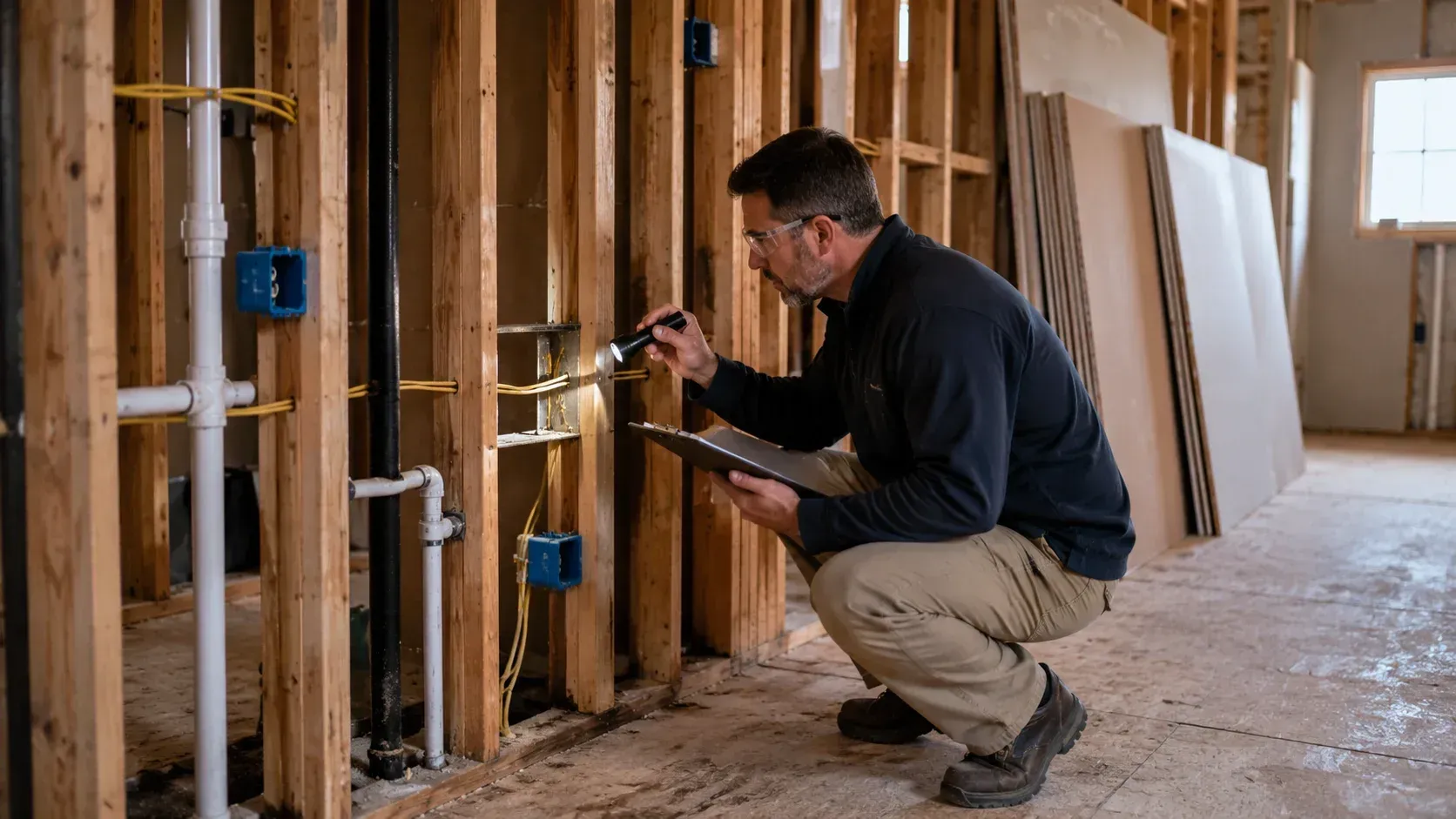
Without a seller-ordered inspection, the buyer's own inspector usually examines the home first, with findings surfacing during the inspection contingency period, after the purchase agreement is already signed.
Issues Surface During Negotiation, Not Before Listing
When a buyer's inspection turns up a problem, it typically becomes a negotiation point or repair request discussed under some time pressure. A pre-listing inspection moves that same conversation earlier, when the seller has more room to plan.
The Seller Has Less Control Over Framing
A seller who already knows about an issue can describe it calmly in the disclosure statement. One who learns about it through a buyer's report is reacting to someone else's documentation instead of their own.
Why the Timing of Discovery Matters
The property's condition is the same either way. Skipping an inspection does not make a roof newer or a foundation sounder. What changes is when problems surface and who is holding the information at that moment.
Finding an issue before listing gives a seller options: repair it, price around it, or disclose it clearly from the start. Finding the same issue after an offer is accepted usually means addressing it inside a narrower negotiation window, sometimes with a deadline tied to the purchase agreement.
This is the practical core of the question. A pre-listing inspection does not create new facts about the home. It changes who learns the facts first.
Disclosure Still Applies Either Way
A common assumption is that skipping an inspection means skipping disclosure obligations. That is not accurate.
Washington Sellers Still Complete a Disclosure Statement
Most residential sellers in Washington complete a seller disclosure statement based on their actual knowledge of the property, and that requirement exists regardless of whether a pre-listing inspection was performed.
Not Inspecting Can Limit What You Know, Not What You Owe
Choosing not to inspect may mean a seller genuinely does not know about a defect, which can affect what they are expected to disclose. It does not eliminate the duty for anything the seller already knows through other means, such as past repairs.
The Buyer's Inspection Fills the Information Gap
Whether or not the seller inspects first, a home inspection almost always happens before closing, ordered by the buyer, so the property's condition becomes known to someone either way.
A Realistic Scenario
Consider a hypothetical seller listing a 1960s home in Seattle without a pre-listing inspection, relying on a fast market to move the sale along quickly. An offer comes in within days, and the buyer's inspector later finds a dated electrical panel and signs of past moisture in the crawl space.
The buyer requests a credit and a short delay to review repair estimates, right in the middle of an otherwise fast-moving transaction. The seller, who did not know the specifics beforehand, has limited room to respond calmly and ends up negotiating under deadline pressure.
Had the same findings turned up in a pre-listing inspection, the seller could have gotten a repair estimate in advance, decided whether to fix the panel before listing, and disclosed the crawl space history on their own terms. The underlying condition was identical. Only the timing and the seller's position changed. This is an illustrative example, not a description of an actual transaction.
Deciding Whether to Get a Pre-Listing Inspection
A short, structured review helps sellers decide if a pre-listing inspection fits their situation.
- Consider the home's age and history. Older homes and homes with unknown maintenance history carry more uncertainty worth resolving early.
- Think about your disclosure comfort level. If you already have a good sense of the home's condition, the inspection may confirm rather than reveal.
- Factor in your timeline. A pre-listing inspection adds a step before going on market, which matters more in a market moving very quickly.
- Weigh repair flexibility. Finding issues early allows repairs on your schedule rather than a buyer's deadline.
- Talk to your agent. Local market norms and buyer expectations in your specific Seattle neighborhood can influence whether this step is commonly used.
The Core Trade-Off
The decision generally comes down to paying a modest cost and taking an extra step now, in exchange for more control and fewer surprises later. Neither path is automatically correct, and the right choice depends on the home and the seller's priorities.
Common Misconceptions About Skipping the Inspection
Common belief: "If I don't inspect, the buyer won't find out about problems either." What is actually true: Buyers typically order their own inspection as part of the purchase agreement, so most issues still surface. Skipping a pre-listing inspection usually delays discovery rather than preventing it.
Common belief: "Selling without an inspection means I have no disclosure responsibility." What is actually true: Washington sellers generally must disclose known defects regardless of whether a pre-listing inspection occurred. Not inspecting can limit what you know, but it does not erase what you already know.
Common belief: "A pre-listing inspection slows down a hot market sale too much." What is actually true: A pre-listing inspection can often be scheduled within days, and the time it adds is usually small compared to the delays caused by a surprise finding during the buyer's inspection period.
What Typical Online Advice Overlooks
Generic articles on this topic tend to present pre-listing inspections as either essential or unnecessary, without addressing the more useful middle ground.
The Real Variable Is Control, Not Risk Avoidance
Skipping an inspection does not avoid risk. It shifts who controls the timing of discovery. Articles that frame this as a simple risk-versus-no-risk choice miss the more accurate framing: early information versus late information.
Fast Markets Do Not Eliminate the Need for Accuracy
A quick sale does not make disclosure less important. If anything, fast-moving transactions leave less time to react to late findings, which is exactly when early information is most useful.
Repair Decisions Get Rushed Without Early Information
Sellers who skip a pre-listing inspection often end up making repair and pricing decisions reactively, under a buyer's negotiation deadline, instead of proactively on their own schedule. This practical difference rarely gets explained clearly in general advice.
How a Pre-Listing Inspection Changes the Process
A pre-listing inspection does not replace the buyer's own inspection rights, but it changes what the seller brings to the table. The seller enters negotiations already knowing the home's condition, with time to have addressed or priced around anything significant.
This is distinct from a pre-purchase inspection, which serves the buyer's side of the same transaction. Sellers who complete their own inspection first are generally reacting to fewer surprises, since many of the same findings the buyer's inspector would locate have already been identified and addressed.
Risks, Limits, and Context
Whether skipping a pre-listing inspection creates a meaningful problem depends on the home's age, condition, and local market pace, so this is not a universal recommendation either way.
A common limitation is that even a pre-listing inspection is visual and non-invasive, so it will not catch everything a buyer's inspector might later find. In some situations, particularly newer homes with a clear maintenance history, the added value of a pre-listing inspection is smaller. The better choice depends on the seller's comfort with uncertainty and how much control they want over the timing of any negotiation.
Conclusion
Listing a home for sale in Seattle without a pre-listing inspection does not prevent the sale or remove disclosure obligations. It mainly changes when problems are discovered and who finds them first, shifting that moment from before listing to the middle of a buyer's inspection contingency period.
Sellers who skip this step are not taking on new risk that did not already exist in the home. They are choosing to learn about any issues later, often under more time pressure, instead of earlier on their own schedule. Weighing the home's age, condition, and the pace of the local market helps determine whether that trade-off makes sense for a specific sale.
Considering a Pre-Listing Inspection in Seattle?
If you are deciding whether a pre-listing inspection fits your situation, an objective look at the home's condition can help you understand what you are working with before you list. Feel free to
contact us or call (253) 377-7400 with questions. No pressure and no obligation, just clear information to support your decision.
Frequently Asked Questions
Is a pre-listing inspection required to sell a home in Seattle?
No. A pre-listing inspection is optional. Sellers can list and sell a home without one, though the buyer will typically still order their own inspection during the transaction.
What is the main risk of selling a house without an inspection?
The main risk is timing. Problems with the home are usually still found, but later, by the buyer's inspector, often leading to negotiation or repair requests under more time pressure than if they were found before listing.
Does skipping a pre-listing inspection affect my disclosure obligations?
Not directly. Washington sellers generally must disclose known defects regardless of whether they inspected first. Skipping an inspection can limit what you know, but it does not remove the duty to disclose what you already know.
Can a buyer still back out after a pre-listing inspection was done?
Yes. A pre-listing inspection does not remove the buyer's own inspection contingency in most purchase agreements. Buyers can still order their own inspection and negotiate or withdraw based on their findings.
Is a pre-listing inspection worth it in a fast-moving market?
No. A pre-listing inspection is ordered by the seller before listing to understand the home's condition early. A buyer typically orders a separate, independent inspection during the transaction, and both can occur on the same sale.