What Happens If You Skip the Inspection Between Framing and Drywall on a Remodel?
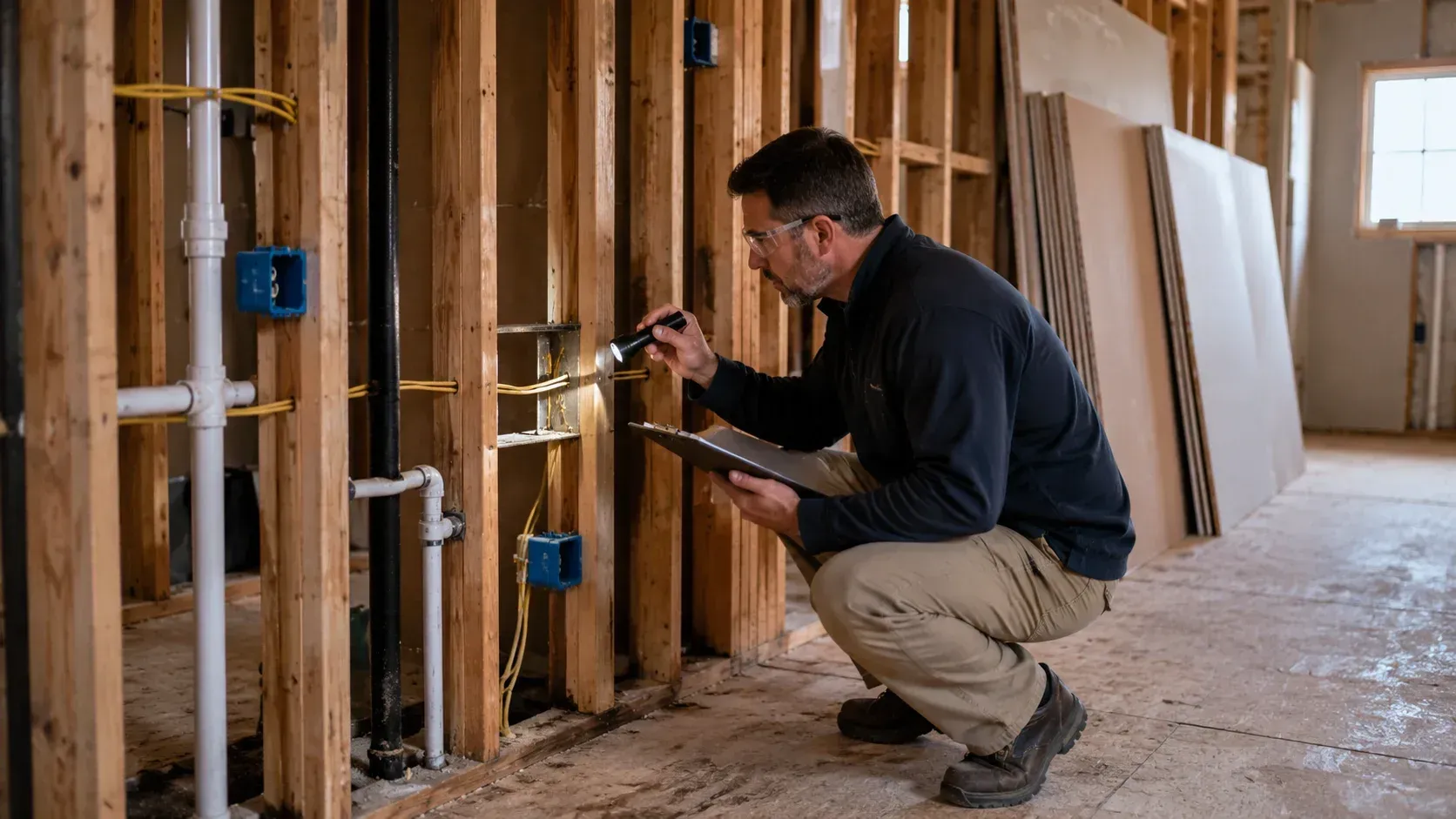
Table of Contents
- The Short Answer
- What the Framing Inspection Actually Checks
- Why This Inspection Sits Between Framing and Drywall
- What Skipping It Can Lead To
- What to Do If Drywall Is Already Up
- Conclusion
- Planning a Remodel Inspection in Sammamish?
- Frequently Asked Questions
Key Takeaways
- Skipping the framing inspection before drywall means covering up structural, electrical, plumbing, and mechanical work that was never verified, which is the single riskiest point to cut corners on a remodel.
- On a permitted project in Washington, the framing inspection is usually required. Closing walls without it can stall the permit, and an inspector may later require that finished drywall be opened up.
- Hidden problems do not disappear when they are covered. Improper fastening, overcut studs, or a missed electrical issue can surface as sagging, moisture, or a safety hazard months or years later.
- Unpermitted or uninspected remodel work often reappears during a future sale, when a buyer's inspector or appraiser flags it and complicates the transaction.
- If drywall has already gone up over uninspected framing, options still exist. Documentation, an independent inspection, and a conversation with the local building department are the practical starting points.
Introduction
If you skip the framing inspection between framing and drywall on a remodel, you cover up structural, electrical, plumbing, and mechanical work before anyone verifies it was done correctly, and on a permitted project you also risk stalling the permit and being told later to reopen the walls. The framing inspection is the last chance to see inside the walls before drywall hides everything, which is why a careful restoration inspection or a required municipal check at this stage carries so much weight.
This decision usually comes down to time or money. The drywall crew is scheduled, the project feels finished behind the walls, and waiting on an inspection feels like a delay. Understanding what that inspection protects, and what skipping it can cost later, helps you weigh the real trade-off rather than the one that only looks good this week.
The Short Answer
Skipping the framing inspection means the structural, electrical, plumbing, and mechanical work inside your walls goes unverified before it is permanently covered. On a permitted remodel in Washington, that inspection is generally required, and closing the walls without it can lead to a stalled permit, a failed final inspection, and in some cases an order to remove finished drywall so the framing can be checked.
The framing inspection, sometimes called the rough-in or cover inspection, exists precisely because drywall is permanent and opaque. Once the wall is closed, verifying what is behind it means tearing it open again.
That is the core of the risk. Everything the framing inspection is designed to catch becomes far more expensive to find, and far more disruptive to fix, the moment the drywall goes up.
What the Framing Inspection Actually Checks
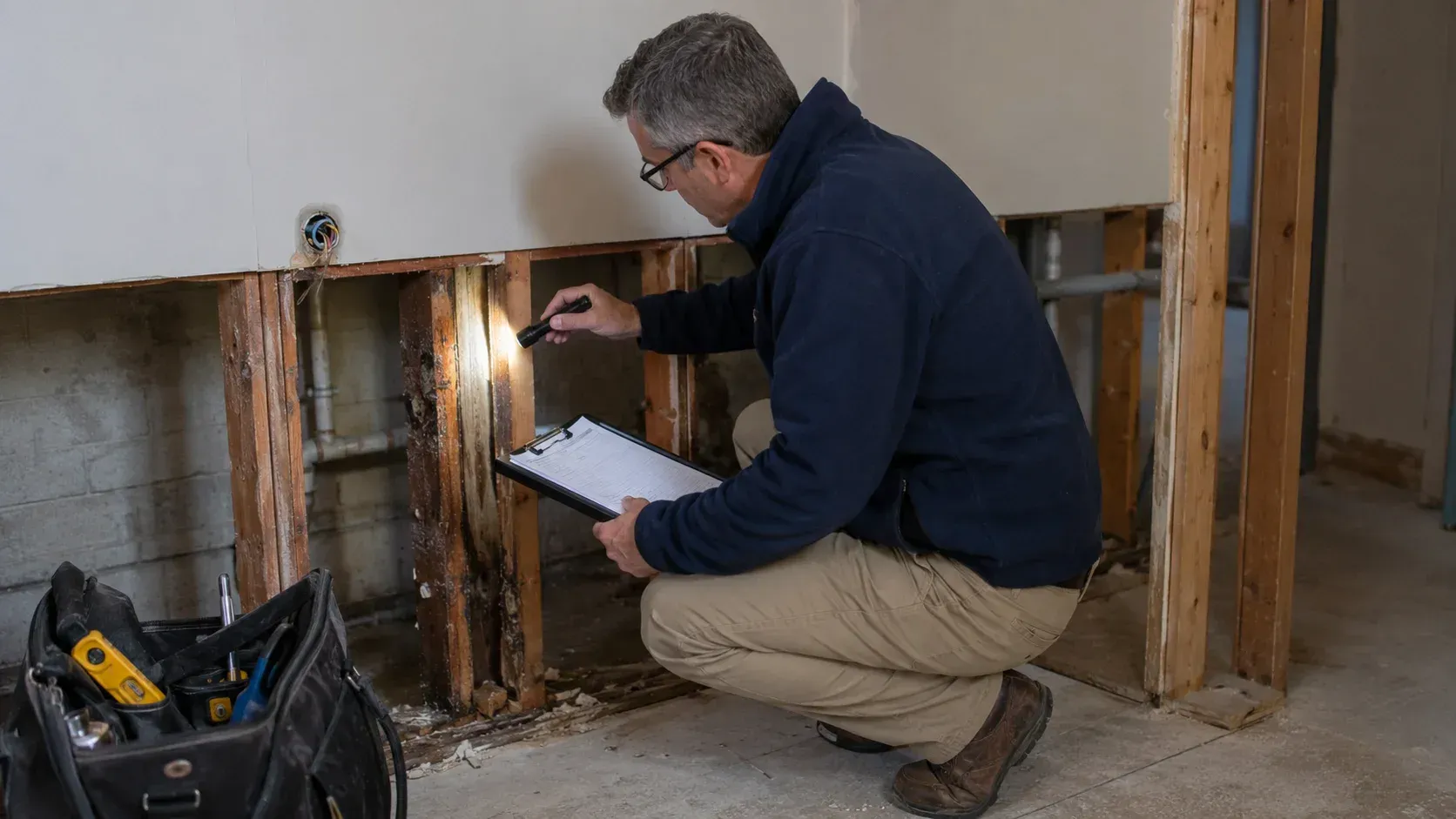
The framing inspection happens after the rough-in work is complete but before insulation and drywall. An inspector looks at several systems at once, because this is the only stage where all of them are visible together.
- Structural framing: studs, headers, beams, joists, and connections, checked for correct sizing, spacing, and fastening.
- Notching and boring: whether studs and joists were cut or drilled beyond allowable limits, which can weaken the structure.
- Electrical rough-in: wiring runs, box placement, and protection where cables pass through framing.
- Plumbing rough-in: supply and drain lines, venting, and support.
- Mechanical rough-in: ducts, exhaust routing, and clearances.
- Fire blocking and connectors: required blocking and metal connectors that keep the structure sound and slow the spread of fire.
The reason all of this is grouped into one inspection is simple. After drywall, none of it can be seen. The framing inspection is the verification point for the bones of the remodel.
Why This Inspection Sits Between Framing and Drywall
The sequence is deliberate. Insulation and drywall are installed only after the framing inspection passes, because those materials cover the very things the inspector needs to see.
Think of it as a checkpoint on a one-way road. Before the checkpoint, everything is visible and correctable. After it, the work is sealed inside the wall. A short delay to pass the framing inspection buys permanent confidence that the hidden work was done right.
This is also why "we'll just fix it later" rarely works at this stage. Later means opening a finished wall, which undoes drywall, tape, texture, and paint to reach a problem that would have been visible for free a week earlier.
What Skipping It Can Lead To
Skipping the framing inspection creates several distinct problems, and they tend to compound.
Permit and Code Consequences
On a permitted remodel, the final inspection depends on the earlier ones passing. If you skip framing inspection steps, the jurisdiction may refuse to sign off, and an inspector can require that drywall be removed to expose the framing. That converts a scheduling delay into demolition and rebuild.
Hidden Structural Issues
Overcut studs, undersized headers, or missing connectors do not announce themselves. They show up later as cracked drywall, sagging floors, or doors that stop closing. By then the cause is buried.
Concealed Utility Problems
A loose electrical connection or an unprotected wire is a safety concern that is easy to fix before drywall and dangerous to ignore after. The same goes for a plumbing joint that was never pressure-checked.
Resale and Disclosure Friction
Uninspected or unpermitted work often resurfaces at sale. During a pre-sale inspection or the buyer's pre-purchase inspection, unpermitted remodeling can raise questions that slow or complicate the deal, and Washington sellers have disclosure obligations to consider.
How an Independent Inspection Helps
An independent inspection is not the same as the municipal framing inspection, but it plays a useful supporting role. Before you call for the official inspection, a private home inspection of the open framing can catch obvious issues so you are not surprised at the official visit.
If drywall is already up, an inspector can document the visible condition and help you understand what deserves a closer look. For remodels that touch structure or moisture-prone areas, an inspector who examines the attic and crawl space can connect what is behind the new walls to the systems around them.
An inspection reports condition rather than granting approval. Only the jurisdiction can sign off on a permit, but a clear independent report helps you walk into that process prepared.
Risks, Limits, and Context
Whether a framing inspection is required, and what happens if it was missed, depends on your permit and your local jurisdiction. This can vary between the City of Sammamish, unincorporated King County, and neighboring areas.
An independent inspection documents what is visible but cannot approve a permit or replace the official inspection. A common limitation is that once drywall is up, even a thorough inspection cannot see inside the wall without an access opening. In some situations, especially cosmetic remodels, no framing inspection was ever required, and the concern is smaller than it first appears.
The better path depends on the scope of the work, whether a permit was pulled, and how the building department chooses to proceed. Acting early tends to keep the options wider.
Conclusion
Skipping the inspection between framing and drywall on a remodel means sealing the structural, electrical, plumbing, and mechanical work inside your walls before anyone confirms it was done right. On a permitted project in Washington, that inspection is generally required, and closing the walls without it can stall the permit and lead to reopening finished drywall.
The framing inspection is a checkpoint on a one-way road, cheap to pass and expensive to skip. Thorough photos before drywall, a clear understanding of your permit, and prompt contact with the building department are the practical tools that keep a missed inspection from turning into a major setback. Knowing what the inspection protects lets you make that call with the full picture in view.
Planning a Remodel Inspection in Sammamish?
If you are remodeling in the Sammamish area and want a clear read on framing or restoration work before the walls close, an independent inspection can help you move forward with fewer surprises. Feel free to
contact us or call (253) 377-7400 with questions, or learn more about
your home inspector first. No pressure and no obligation, just clear information to support your next step.
Frequently Asked Questions
Is a framing inspection required before drywall in Washington?
On permitted remodels, a framing or rough-in inspection is generally required before insulation and drywall cover the work. Requirements are set by your local jurisdiction, so confirm with the City of Sammamish or King County building department for your specific project.
What happens if drywall is installed before the framing inspection?
The building department may refuse final approval and can require that drywall be opened so the framing, wiring, and plumbing can be verified. That turns a short scheduling delay into added demolition and refinishing cost. Contact the jurisdiction as soon as you realize it was missed.
Why does the inspection happen between framing and drywall?
Because drywall permanently hides the structural, electrical, plumbing, and mechanical work. The framing stage is the only point where all of it is visible at once, so it is the natural checkpoint before the walls are closed.
Can uninspected remodel work cause problems when I sell?
It can. Unpermitted or uninspected work often surfaces during a buyer's inspection or appraisal and can complicate a sale, and Washington sellers have disclosure obligations. Resolving it before listing usually creates fewer surprises than leaving it for a buyer to find.
Does an independent inspection replace the city framing inspection?
No. An independent inspection documents conditions and can catch issues early, but only your local jurisdiction can approve a permit. A private inspection is a helpful preparation step, not a substitute for the official one.