What Does a Home Inspector Check in the Attic in Bellevue, Washington?
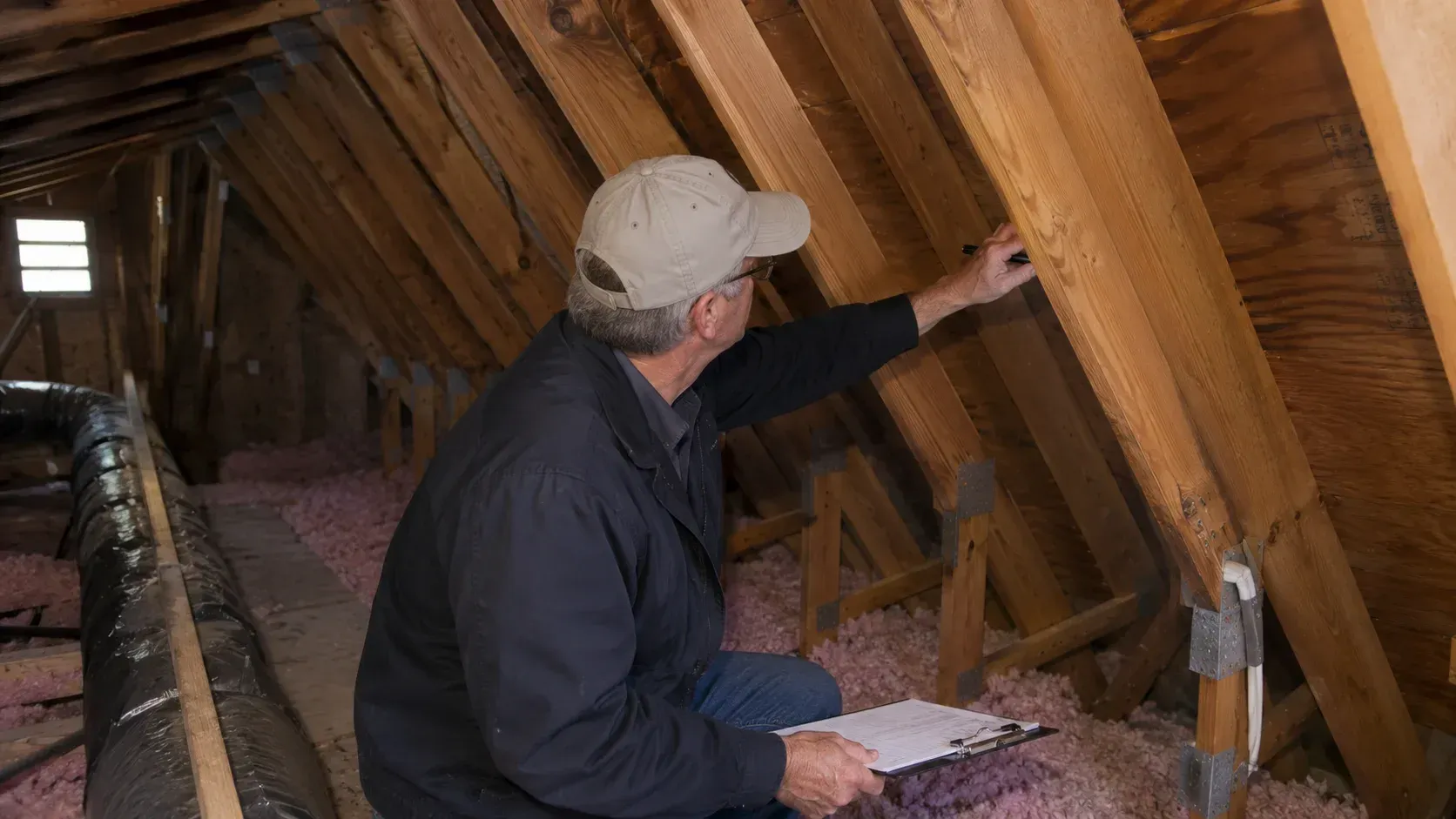
Table of Contents
- Introduction
- Why the Attic Is a Key Part of a Home Inspection
- What a Home Inspector Checks in the Attic
- How Inspectors Access and Evaluate the Attic
- Common Attic Problems Found in Bellevue Homes
- What the Attic Inspection Cannot Tell You
- Why Attic Findings Matter for Buyers and Owners
- Conclusion
- Have Questions About Your Attic Inspection?
- Frequently Asked Questions
Key Takeaways
- In the attic, a home inspector checks insulation, ventilation, roof framing, and signs of moisture, leaks, or pest activity.
- The attic often shows the first evidence of a roof leak or ventilation problem, which is why inspectors treat it as a priority area.
- Access matters. Inspectors evaluate what they can safely see and reach, and blocked or sealed attics limit what can be reported.
- Findings range from routine maintenance items to concerns that affect safety, comfort, and the long-term condition of the home.
- Bellevue's wet climate makes moisture and ventilation two of the most common attic issues found during local inspections.
Introduction
In the attic, a home inspector checks the insulation, the ventilation, the roof framing, and any signs of moisture, leaks, or pests. These four areas tell an inspector a great deal about the roof above, the air quality below, and whether the home has been holding up against Bellevue's damp weather, which is why the attic is a standard part of any thorough home inspection.
For buyers, sellers, and current owners, the attic is easy to ignore because no one spends time up there. That is exactly why problems hide in it. A roof leak, a disconnected bath fan, or a rodent nest can go unnoticed for years until an inspector points a flashlight into the space.
Why the Attic Is a Key Part of a Home Inspection
The attic is where several major systems meet. The underside of the roof, the top of the insulation layer, the ventilation path, and often the ductwork all share the same space.
Because of that, the attic acts like an early warning system. Water stains show up on the sheathing before they reach the ceiling below. Poor airflow shows up as condensation before it turns into rot. An inspector who reads these signs correctly can flag a small issue before it becomes an expensive one.
What a Home Inspector Checks in the Attic
A good attic inspection follows a consistent home inspection checklist. Here is what the inspector is looking at.
Insulation
The inspector notes the type of insulation, how deep it is, and whether it is evenly spread. Thin, compressed, or missing insulation affects both comfort and energy use. They also look for insulation blocking the vents at the eaves, which is a common and easily missed problem.
Ventilation
Attics need airflow to stay dry. The inspector checks for working intake vents at the soffits and exhaust vents at the ridge or gable. In a wet climate, poor ventilation traps moisture, and trapped moisture leads to mold and wood decay over time.
Roof Structure
From inside the attic, the inspector examines the rafters, trusses, and roof sheathing. They look for cracked or altered framing, sagging, and any signs that a previous repair or remodel weakened the structure. Cut trusses are a red flag that gets noted right away.
Moisture and Leaks
Water stains, damp insulation, rusted nails, and daylight coming through the roof deck all point to leaks. The inspector traces staining to find whether the problem is active or old. Moisture is one of the most important things inspectors track in this region.
Pests and Wildlife
Attics attract rodents, squirrels, insects, and sometimes bats. The inspector looks for droppings, chewed wiring, damaged insulation, and nesting material. Chewed electrical wiring in particular is a safety concern worth flagging.
Wiring, Vents, and Penetrations
The inspector checks that bathroom and kitchen exhaust fans vent to the outside rather than into the attic. Venting a humid fan into an enclosed attic is a frequent cause of moisture problems. Exposed junction boxes and unsafe wiring get noted too.
How Inspectors Access and Evaluate the Attic
Most inspectors enter through the attic hatch or a pull-down ladder, or they inspect from the opening when the space is unsafe to enter. Low clearance, exposed wiring, or fragile framing can all limit how far an inspector can go.
When the attic is accessible, the inspector moves along the framing rather than the insulation, since walking on the insulation can damage the ceiling below. This is one of the reasons attic and crawl space work takes training and care.
Some inspectors add thermal imaging to the attic evaluation. An infrared camera can reveal missing insulation or hidden moisture that is not obvious to the eye, though it is read as one clue among several. Because the attic and the crawl space share so many concerns, many inspectors treat attic and crawl space evaluation as closely related parts of the same job.
Common Attic Problems Found in Bellevue Homes
Bellevue sits in a mild but wet climate, and local housing ranges from mid-century homes to newer construction. A few attic issues come up again and again here.
Moisture is the leading one. The long rainy season means a small roof leak or a poorly vented bathroom fan has plenty of time to cause damage. Inspectors often find damp sheathing and early mold in homes with weak ventilation.
Insufficient or settled insulation is another common finding, especially in older homes. Rodent activity shows up frequently as well, since wooded lots and greenbelts give wildlife easy access to roofs and eaves.
What the Attic Inspection Cannot Tell You
A home inspection is visual and non-invasive, and the attic is no exception. The inspector reports on what is visible and accessible on the day of the inspection, not on what is sealed behind finishes or buried under insulation.
If an attic is fully finished, packed with storage, or unsafe to enter, the inspector will say so and describe the limits of the inspection. That is honest reporting, not a shortcut. A pre-purchase inspection documents these limitations clearly so buyers know what was and was not evaluated.
The attic inspection also does not test air quality or identify the species of mold. If moisture or mold is found, the inspector notes it and may recommend a specialist for further evaluation.
Why Attic Findings Matter for Buyers and Owners
For buyers, the attic can change how you view a home. Signs of a past roof leak, hidden framing changes, or a pest problem are the kind of details that inform a repair request or a decision to look closer before closing.
For current owners, the attic is worth checking during any pre-purchase inspection or periodic assessment. Catching a ventilation problem early is far cheaper than replacing rotted sheathing later.
Either way, the attic reflects how well a home has been maintained over the years. It is one of the most telling spaces in the house, even though it is the one people see the least.
Conclusion
When a home inspector goes into the attic in Bellevue, they are checking insulation, ventilation, roof framing, and any signs of moisture or pests, along with wiring and how the exhaust fans vent. Each of these tells part of the story of the roof above and the living space below.
Because the attic hides problems that surface slowly, it is one of the most valuable areas in a full inspection. Understanding what the inspector looks for, and what the inspection cannot cover, helps you read the report clearly and make decisions based on facts rather than guesswork.
Have Questions About Your Attic Inspection?
If you want to understand what an attic inspection covers or how it fits into a full home inspection, feel free to contact us or call (253) 377-7400. No pressure and no obligation, just clear answers to help you decide what your home needs.
Frequently Asked Questions
What does a home inspector check in the attic?
A home inspector checks the insulation, ventilation, roof framing and sheathing, and signs of moisture, leaks, or pests. They also confirm that bathroom and kitchen fans vent to the outside.
Do home inspectors always go into the attic?
Inspectors enter the attic when it is safe and accessible. If clearance is too low, the wiring is exposed, or the space is unsafe, they inspect from the hatch and note the limitation in the report.
Why is the attic important in a home inspection?
The attic often shows the first signs of roof leaks, ventilation problems, and pest activity. Problems there can affect the roof, energy use, and indoor air before they are visible elsewhere.
Can a home inspector find mold in the attic?
An inspector can identify visible signs of moisture and suspected mold, but does not test air quality or identify the type of mold. They may recommend a specialist for further evaluation.
What are common attic problems in Bellevue homes?
Moisture from the wet climate, poor ventilation, settled or missing insulation, and rodent activity are among the most common findings in the Bellevue area.
How long does an attic inspection take?
The attic portion is usually part of a full inspection and takes a portion of the total two to four hours, depending on the size of the space and how accessible it is.
Does a finished or storage-filled attic affect the inspection?
Yes. Finished surfaces, heavy storage, or an unsafe entry limit what the inspector can see. The report will describe exactly what was accessible and what could not be evaluated.