How Long Does a Home Inspection Take in Renton, Washington?
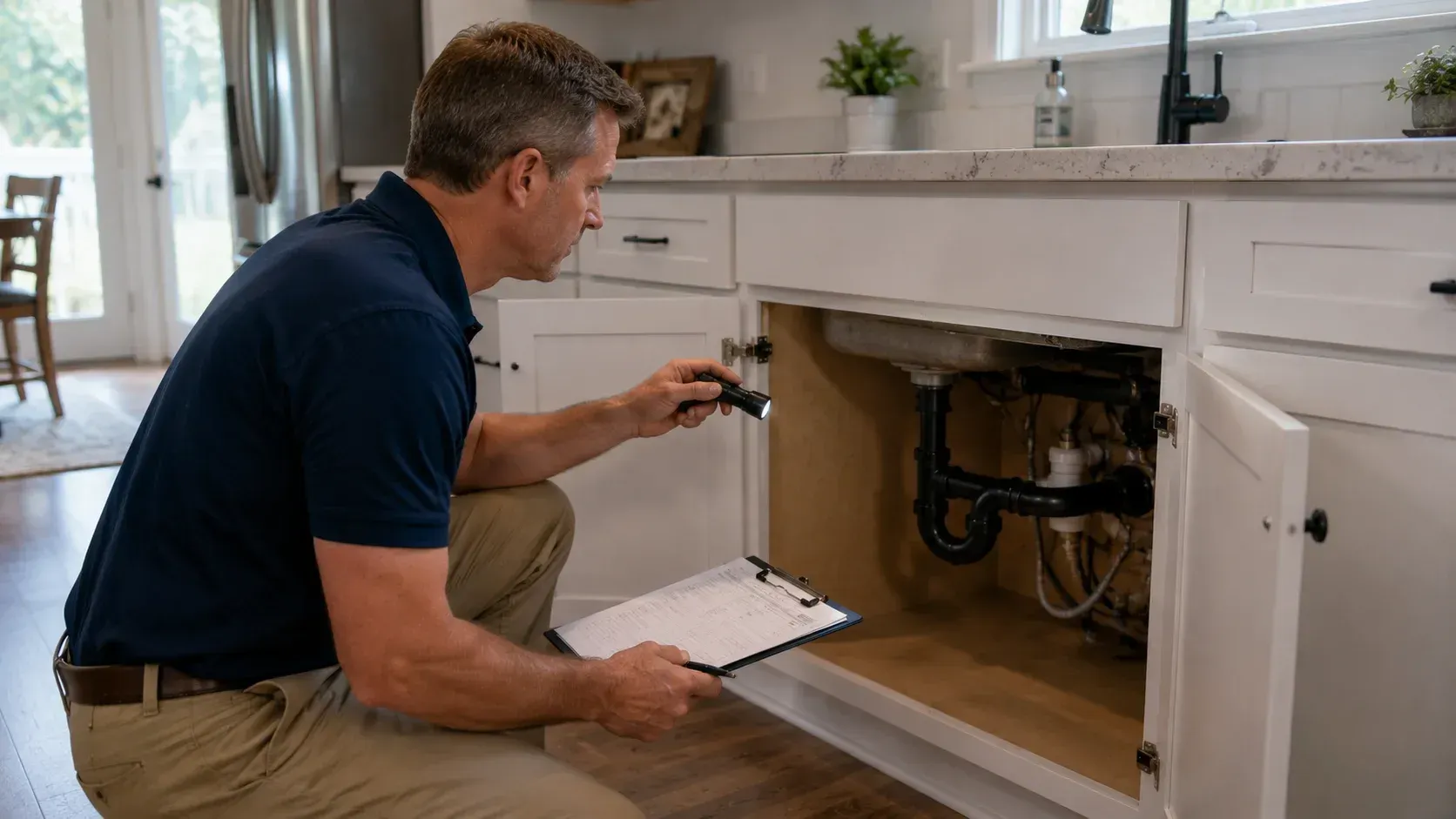
Table of Contents
- Introduction
- How Long a Home Inspection Usually Takes
- What Affects the Length of an Inspection
- What Happens During the Inspection, Step by Step
- Add-On Services That Extend the Timeline
- How to Prepare for Inspection Day
- Why Inspection Length Matters
- Conclusion
- Getting Ready for Your Home Inspection?
- Frequently Asked Questions
Key Takeaways
- Most home inspections in Renton take two to four hours, though the size and condition of the home can shift that range.
- Square footage, age, foundation type, and add-on services are the main factors that lengthen or shorten an inspection.
- The inspection covers the exterior, roof, structure, mechanical systems, and interior in a set order, then ends with a written report.
- Buyers are welcome to attend, and the final walkthrough with the inspector is often the most useful part of the day.
- A faster inspection is not always a better one. Time spent usually reflects the size of the home and how carefully it is checked.
Introduction
A home inspection in Renton, Washington usually takes two to four hours for a typical single-family home. Smaller condos and townhomes can be done in under two hours, while larger, older, or more complex properties can run past four, so the timeline depends on the house more than anything else. Understanding the length ahead of time helps you plan the day and get the most out of a full home inspection
For buyers and sellers, the inspection is one of the more important steps in a real estate deal. Knowing roughly how long it takes lets you block out your calendar, arrange access, and decide whether you will attend. It also sets a fair expectation, since a thorough inspection is not something to rush.
How Long a Home Inspection Usually Takes
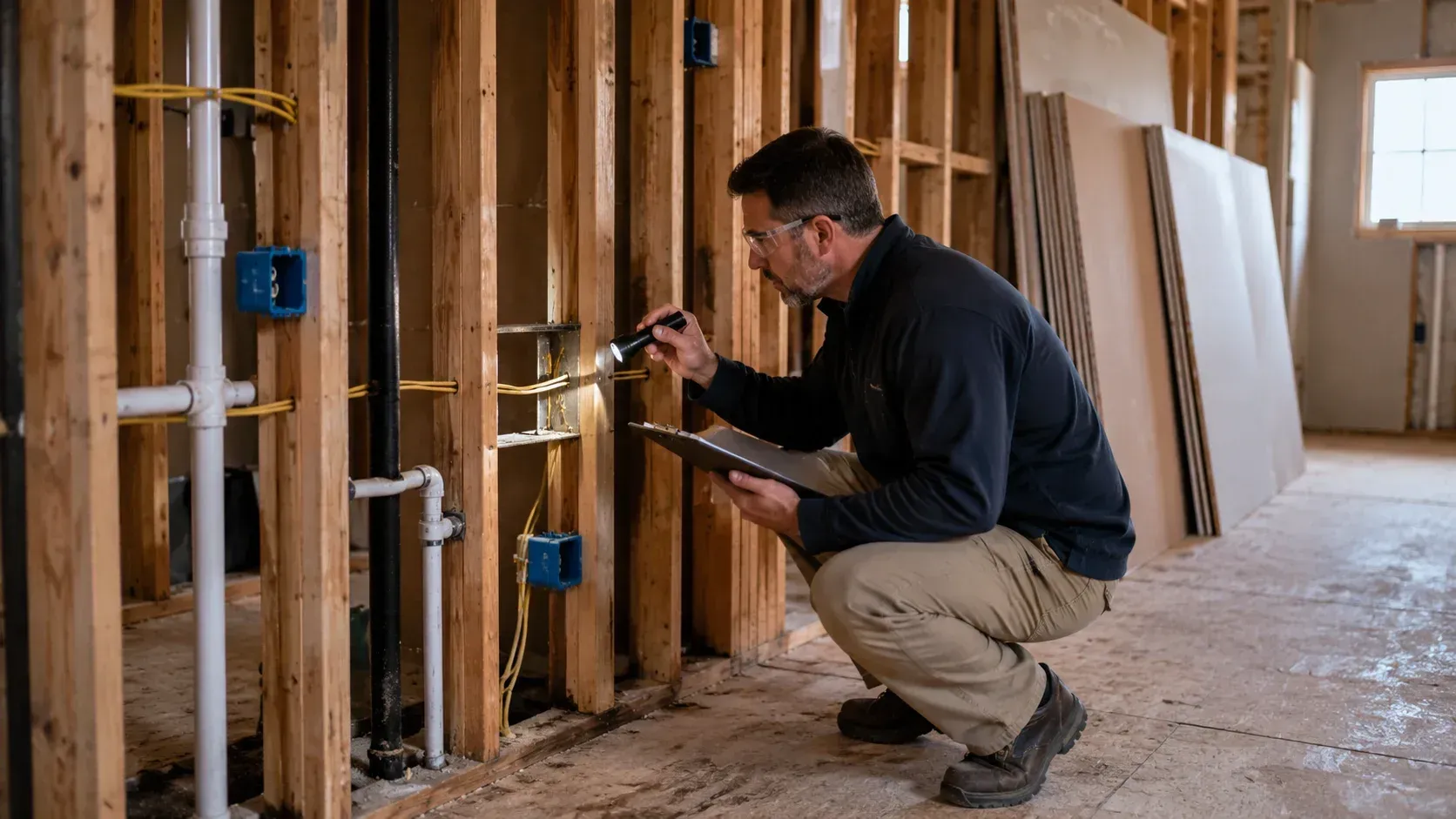
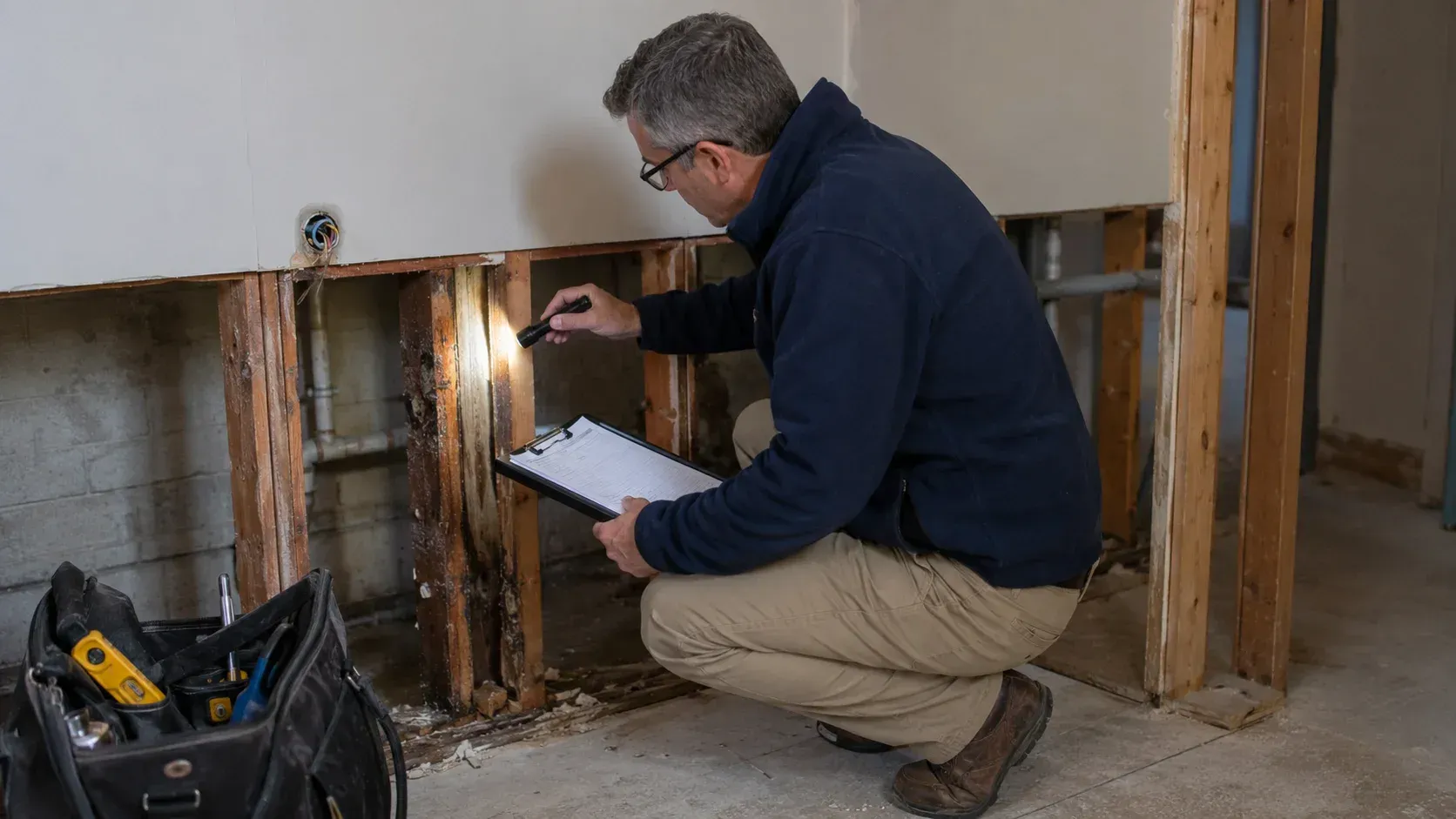
For most homes in the Renton area, plan on two to four hours on site. That is the hands-on portion, when the inspector is physically walking the roof, crawl space, attic, and every room.
A rough guide looks like this:
- Condos and small townhomes: 1.5 to 2 hours
- Average single-family homes: 2 to 3 hours
- Large or older homes: 3.5 to 5 hours
The written report is separate. Many inspectors deliver it within 24 hours, and some finish it the same evening. So the full home inspection process is really two parts: the time on site and the report that follows.
What Affects the Length of an Inspection
Several things move the timeline up or down.
Size of the Home
Square footage is the biggest factor. More rooms, more windows, more roofline, and more square footage of floor to walk all add time. A 3,500 square foot home simply has more to examine than a 1,400 square foot rambler.
Age and Condition
Older homes take longer. Renton has a wide mix of housing, from mid-century homes in the Highlands to newer builds near the plateau. An older home often has aging systems, past repairs, and quirks that call for a closer look.
Foundation and Access
Crawl spaces are common in this region, and inspecting one properly takes time. A finished basement, a steep roof, or a locked electrical panel can all add minutes. When an area is blocked or unsafe, the inspector notes it rather than skipping it silently.
Number of Issues Found
A home in rough shape takes longer to document. Every defect needs a photo, a note, and sometimes a second look to trace the cause. A well-maintained home moves faster simply because there is less to write up.
What Happens During the Inspection, Step by Step
Knowing the order of events makes the timeline easier to picture. Most inspectors follow a consistent routine, which is a good sign of what to expect during a home inspection.
Exterior and Roof
The inspector usually starts outside. They check the roof covering, gutters, siding, trim, drainage, and grading around the foundation. This is where water problems often begin, so it gets careful attention in a wet climate.
Structure, Crawl Space, and Attic
Next comes the bones of the house. The inspector enters the crawl space and attic where accessible, checking framing, insulation, ventilation, and any signs of moisture or pests.
Mechanical Systems
Then the inspector works through the electrical panel, plumbing, water heater, and heating and cooling equipment. They run systems where it is safe to do so, rather than only looking at them.
Interior
Inside, the inspector checks walls, floors, ceilings, windows, doors, and built-in appliances. Safety items like smoke detectors and stair railings are part of this pass.
Final Walkthrough
At the end, many inspectors walk the main findings with you. This conversation is often the most valuable part of the day, and it is worth being there for. A
pre-purchase inspection is designed around giving buyers exactly this kind of clear, in-person understanding.
Add-On Services That Extend the Timeline
Optional services add time because they involve extra equipment and steps. Common ones in the Renton market include:
- Sewer scope: running a camera through the side sewer line adds 20 to 45 minutes.
- Thermal imaging: scanning walls and ceilings with an infrared camera adds time but can reveal hidden moisture or insulation gaps.
- Radon or water testing: setting up test equipment is quick, though results come later from a lab.
None of these are required. Whether they make sense depends on the age and setting of the specific property.
How to Prepare for Inspection Day
A few simple steps keep the inspection on schedule. If you are the seller, make sure the inspector can reach the attic hatch, crawl space, electrical panel, water heater, and furnace. Boxes stacked in front of an access point slow things down.
Pilot lights should be on, utilities connected, and pets secured. Clearing these small obstacles helps the inspector cover everything in the expected window.
If you are the buyer, plan to arrive toward the end for the walkthrough, or stay for the whole thing if you want to learn the home. There is no wrong choice, but the walkthrough is the part most worth catching.
Why Inspection Length Matters
The time an inspection takes is a rough reflection of how much house there is and how carefully it is being checked. An unusually short inspection on a large home is worth asking about.
That said, longer is not automatically better. A small, newer condo should take less time than a sprawling older house, and that is normal. The goal is a complete inspection, not a slow one.
What matters most is the report at the end. A clear, detailed report with photos and plain explanations is the real product, and it is worth more than shaving an hour off the appointment.
Conclusion
A home inspection in Renton typically takes two to four hours on site, shaped mostly by the size, age, and condition of the home, plus any add-on services you choose. The inspector works through the exterior, structure, systems, and interior in a set order, then delivers a written report, often within a day.
Knowing the timeline helps you plan the day and set fair expectations. A thorough inspection takes the time it needs, and the hours spent are a small investment against the size of a home purchase or sale.
Getting Ready for Your Home Inspection?
If you have questions about the timeline, what to expect, or how to prepare your home, feel free to contact us or call (253) 377-7400. No pressure and no obligation, just clear answers to help you plan with confidence. You can also read more about what to expect on inspection day.
Frequently Asked Questions
How long does a home inspection take in Renton?
Most home inspections take two to four hours for a typical single-family home. Smaller condos take less time, and larger or older homes can take longer.
Why do some inspections take longer than others?
The main factors are the size and age of the home, foundation and access, the number of issues found, and any add-on services like a sewer scope or thermal imaging.
When will I get the inspection report?
Many inspectors deliver the written report within 24 hours, and some complete it the same day. The on-site time and the report are two separate parts of the process.
Should I attend the home inspection?
You are welcome to. Many buyers arrive for the final walkthrough, when the inspector reviews the main findings in person. Attending the full inspection is also fine if you want to learn the home.
How can I prepare my home for an inspection?
Make sure the attic, crawl space, electrical panel, water heater, and furnace are accessible. Keep utilities on, pilot lights lit, and pets secured so the inspector can work without delays.
Does a longer inspection mean a better one?
Not necessarily. Time usually reflects the size and condition of the home. A complete, well-documented report matters more than how long the appointment takes.
How long does a condo or townhome inspection take?
Condos and small townhomes usually take about one and a half to two hours, since they have fewer exterior systems and less square footage to evaluate than a detached house.